.png)
Essential Tips for Crafting an Impactful Brand Logo
Creating a brand logo is one of the most important steps in building a memorable identity. A well-designed logo captures attention, communicates your brand’s values, and sets you apart from competitors. But designing a logo that truly stands out takes more than just creativity—it requires a clear strategy and thoughtful execution.
This guide offers practical advice to help you design a brand logo that leaves a lasting impression.

Understand Your Brand Identity
Before starting any design work, clarify what your brand stands for. Your logo should reflect your brand’s personality, mission, and target audience. Ask yourself:
What values do I want my brand to communicate?
Who is my ideal customer?
What emotions should the logo evoke?
For example, a brand focused on eco-friendly products might use natural colors and organic shapes to convey sustainability and trust. A tech startup might prefer sleek, modern lines and bold colors to express innovation and energy.
Knowing your brand identity helps you choose design elements that align with your message.
Keep the Design Simple and Memorable
Simplicity is key to a strong logo. Complex designs can confuse viewers and lose impact when scaled down. Aim for a clean, straightforward design that is easy to recognize.
Think of iconic logos like Apple’s apple or Nike’s swoosh. Both are simple but instantly identifiable. Use minimal colors and avoid unnecessary details.
Here are some tips for simplicity:
Limit your color palette to two or three colors.
Use clear, readable fonts.
Avoid intricate patterns or too many shapes.
A simple logo is easier to reproduce across different media, from business cards to billboards.
Choose Colors That Speak to Your Audience
Colors influence how people perceive your brand. Different colors evoke different feelings and associations. Select colors that match your brand’s personality and appeal to your target market.
For example:
Blue often represents trust and professionalism.
Red can evoke excitement and passion.
Green suggests growth and health.
Yellow feels cheerful and energetic.
Use color theory to combine hues that work well together and maintain good contrast. Test your logo in black and white to ensure it remains effective without color.
Select the Right Typography
Typography plays a crucial role in logo design. The font you choose should complement your brand’s tone and be legible at various sizes.
Consider these points:
Serif fonts often feel traditional and trustworthy.
Sans-serif fonts appear modern and clean.
Script fonts can add elegance but may reduce readability.
Avoid using more than two different fonts in your logo. Customizing or creating your own font can add uniqueness but requires skill.
Make Your Logo Versatile
Your logo will appear in many places: websites, packaging, social media, merchandise, and more. It must look good in different sizes and formats.
Design your logo to work:
In color and black-and-white versions.
On light and dark backgrounds.
At small sizes without losing detail.
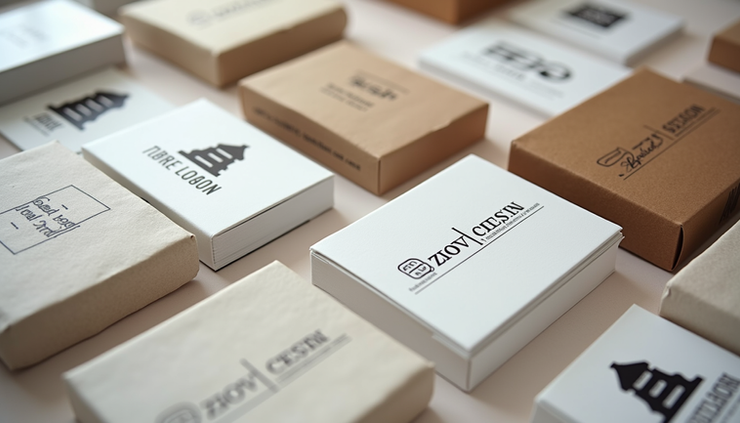
Vector graphics are ideal because they scale without losing quality. Test your logo on various mockups to see how it performs in real-world scenarios.

Use Symbolism and Meaning
Incorporating meaningful symbols can make your logo more memorable and communicate your brand story visually. Symbols can be literal or abstract but should connect to your brand’s core message.
For example, a company focused on speed might use arrows or lightning bolts. A brand emphasizing community could use interconnected shapes.
Avoid clichés or overused symbols unless you can present them in a fresh way. The symbol should add value, not confuse the viewer.
Test and Refine Your Design
Designing a logo is an iterative process. Create multiple versions and gather feedback from colleagues, customers, or design professionals. Look for input on:
Clarity and readability
Emotional impact
Uniqueness
Versatility
Make adjustments based on feedback and test the logo in different contexts. Sometimes small tweaks to spacing, color, or font weight can improve the overall design.
Protect Your Logo
Once your logo is finalized, consider legal protection to prevent unauthorized use. Trademarking your logo gives you exclusive rights and helps maintain your brand’s integrity.
Consult a legal expert to understand the trademark process in your region. Keep original design files organized for future use and updates.
Final Thoughts
Designing an impactful brand logo requires a clear understanding of your brand, a focus on simplicity, and attention to detail. By choosing the right colors, typography, and symbols, you create a visual identity that connects with your audience and stands the test of time.
Start by defining your brand’s core message, then experiment with designs that reflect that message clearly. Test your logo in real-world settings and refine it until it feels just right.




Comments