.png)
Innovative Out-of-Home Advertising Strategies to Boost Brand Visibility
Out-of-home (OOH) advertising remains one of the most effective ways to reach a broad audience in public spaces. With people spending significant time outside their homes, brands have a unique chance to capture attention through creative and well-placed ads. To stand out in crowded environments, advertisers must use fresh strategies that maximize visibility and engagement. This post explores practical approaches to make OOH campaigns more impactful and memorable.

Choosing the Right Locations for Maximum Impact
Location plays a crucial role in the success of any OOH campaign. The goal is to place ads where they will be seen by the target audience frequently and for enough time to make an impression.
High-traffic areas such as busy intersections, transit hubs, and shopping districts attract large crowds. Ads here get repeated exposure.
Near complementary businesses can boost relevance. For example, a sports brand might advertise near gyms or stadiums.
Routes with slow-moving traffic give drivers and passengers more time to notice and absorb the message.
Event venues offer opportunities to reach specific groups during concerts, festivals, or sports games.
Using data on foot and vehicle traffic helps identify the best spots. Combining this with knowledge of the audience’s habits ensures ads reach the right people at the right time.
Using Technology to Enhance Engagement
Technology has transformed OOH advertising from static displays to interactive experiences. Incorporating digital elements can increase attention and create memorable brand interactions.
Digital billboards allow for dynamic content that changes throughout the day or responds to real-time events.
Augmented reality (AR) can turn ordinary posters into immersive experiences when viewed through smartphones.
QR codes and NFC tags enable passersby to instantly access promotions, websites, or apps.
Sensors and cameras can trigger personalized messages based on the viewer’s age, gender, or mood.
These tools help brands connect with audiences beyond simple visuals, encouraging interaction and deeper engagement.
Designing Clear and Bold Visuals
OOH ads must communicate quickly and clearly. People often see them while moving, so the message should be easy to grasp at a glance.
Use large fonts and high-contrast colors to improve readability.
Focus on one main idea or call to action per ad.
Incorporate simple, striking images that support the message.
Avoid clutter or excessive text that can confuse viewers.
Effective design balances creativity with clarity, ensuring the ad stands out and the message sticks.

Leveraging Unconventional Formats
Breaking away from traditional billboards and posters can capture more attention. Unique formats create curiosity and make ads more shareable.
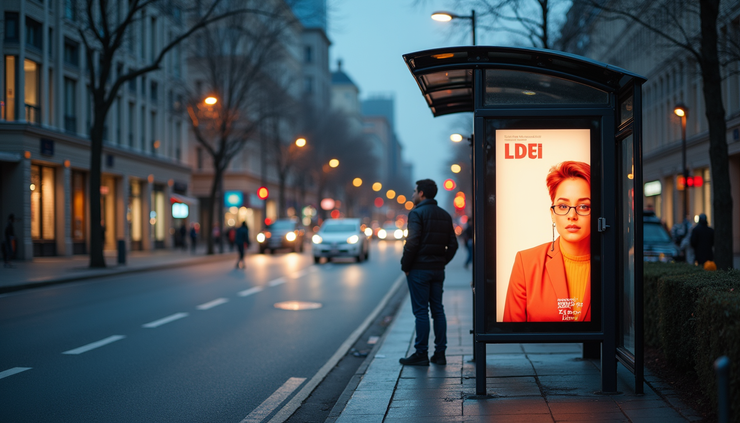
Street furniture ads on benches, bus shelters, or kiosks integrate naturally into the environment.
3D installations or sculptures invite closer inspection and photo opportunities.
Projection mapping transforms buildings or landmarks into dynamic canvases after dark.
Vehicle wraps turn cars, buses, or bikes into moving billboards that reach diverse locations.
These formats add novelty and can generate buzz, especially when combined with social sharing.
Measuring Success and Adjusting Strategies
Tracking the effectiveness of OOH campaigns can be challenging but is essential for improvement.
Use foot traffic data and vehicle counts to estimate potential impressions.
Conduct surveys or interviews to assess recall and brand awareness.
Monitor website traffic or promo code usage linked to the campaign.
Employ mobile location analytics to see if ads influence store visits.
Analyzing this data helps refine placement, design, and messaging for future campaigns.




Comments