.png)
Boost Your Business with These Top Ten Customer Retention Strategies
Keeping customers coming back is one of the smartest moves any business can make. It costs less to keep an existing customer than to find a new one, and loyal customers often spend more over time. But how do you build that loyalty? This post shares ten practical strategies to help you retain customers and grow your business steadily.

1. Deliver Consistent Quality
Customers expect the same great experience every time they interact with your business. Whether it’s a product or service, consistency builds trust. For example, a restaurant that serves delicious meals every visit will see more repeat customers than one with unpredictable quality.
Train your staff thoroughly.
Use quality control checks.
Gather feedback regularly to spot issues early.
2. Personalize Customer Interactions
People appreciate when businesses recognize them as individuals. Use customer data to tailor communications, offers, and services. For instance, an online retailer can recommend products based on past purchases, making the shopping experience more relevant.
Send personalized emails.
Remember customer preferences.
Use names in communications.
3. Reward Loyalty
Loyalty programs motivate customers to return. Points, discounts, or exclusive offers show appreciation and encourage repeat business. A coffee shop might offer a free drink after ten purchases, which keeps customers coming back.
Create simple, easy-to-understand programs.
Offer meaningful rewards.
Promote the program clearly.

4. Provide Excellent Customer Service
Fast, friendly, and helpful service makes customers feel valued. When problems arise, how you respond can turn a negative experience into a positive one. For example, a retailer who quickly replaces a defective product wins customer trust.
Train staff to handle complaints calmly.
Respond promptly to inquiries.
Follow up to ensure satisfaction.
5. Communicate Regularly and Clearly
Keep customers informed about new products, changes, or promotions without overwhelming them. Clear communication builds transparency and trust. A monthly newsletter with useful tips and updates can keep your brand top of mind.
Use multiple channels: email, SMS, social media.
Avoid jargon and keep messages simple.
Respect customer preferences for contact frequency.
6. Make It Easy to Do Business
Remove obstacles that frustrate customers. Simplify processes like ordering, payment, and returns. For example, an online store with a smooth checkout and clear return policy reduces barriers to repeat purchases.
Streamline website navigation.
Offer multiple payment options.
Provide clear instructions and FAQs.
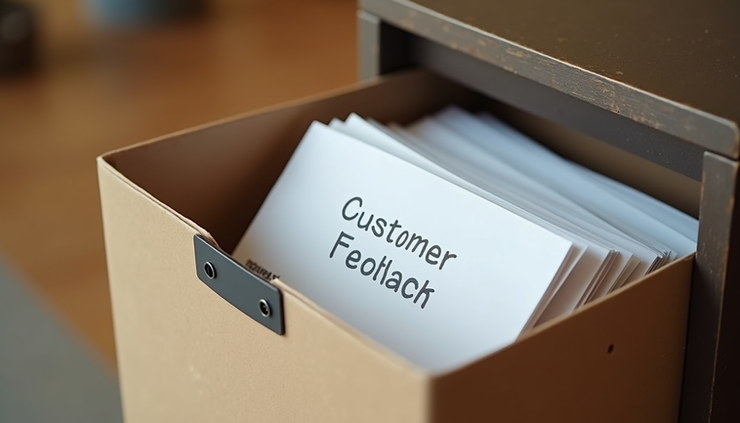
7. Ask for and Act on Feedback
Customers want to feel heard. Regularly ask for their opinions and show you use their input to improve. A hotel that adjusts its services based on guest feedback demonstrates it values customer experience.
Use surveys and reviews.
Respond to feedback publicly when appropriate.
Implement changes and communicate them.
8. Build a Community Around Your Brand
Creating a sense of belonging encourages customers to stay connected. This can be through social groups, events, or online forums. A local bookstore hosting book clubs builds relationships beyond transactions.
Host events or webinars.
Create social media groups.
Encourage customer interaction.
9. Offer Exclusive Access or Early Releases
Giving loyal customers first access to new products or sales makes them feel special. This exclusivity can increase engagement and sales. For example, a fashion brand might offer early access to a new collection for newsletter subscribers.
Announce exclusives clearly.
Limit access to loyal customers.
Use exclusivity to reward engagement.
10. Keep Improving Your Product or Service
Staying relevant means evolving with customer needs. Regularly update your offerings to meet changing preferences. A software company that releases updates based on user requests keeps customers satisfied and less likely to switch.
Monitor market trends.
Invest in research and development.
Communicate improvements to customers.


Comments