.png)
Effective Mobile Marketing Strategies to Reach On-the-Go Consumers
Mobile devices have transformed how people interact with brands. Consumers now expect quick, relevant, and easy access to information wherever they are. For businesses, this means adapting marketing strategies to fit the fast-paced, mobile lifestyle of today’s users. Reaching on-the-go consumers requires more than just having a mobile-friendly website. It demands a thoughtful approach that fits their habits, preferences, and immediate needs.
This post explores practical mobile marketing strategies that connect with consumers while they are moving through their day. You will find actionable tips and examples to help your brand engage effectively with this audience.

Understand the Mobile Consumer’s Behavior
Mobile users often multitask and seek quick answers. They use their devices for browsing, shopping, socializing, and entertainment, frequently in short bursts. Recognizing this behavior helps tailor marketing efforts to fit their context.
Speed matters: Slow-loading pages or complicated navigation cause users to leave quickly.
Location is key: Many mobile searches have local intent, such as finding nearby stores or services.
Personalization drives engagement: Consumers respond better to messages that feel relevant to their interests and current situation.
Brands that study how their audience uses mobile devices can create targeted campaigns that meet users where they are.
Use Location-Based Marketing to Deliver Relevant Offers
Location-based marketing uses GPS or IP data to send offers or information relevant to a user’s current place. This strategy works well for on-the-go consumers who may be near a physical store or event.
Send push notifications with special discounts when users enter a store’s vicinity.
Use geofencing to trigger ads or messages based on specific locations.
Combine location data with time-sensitive offers to create urgency.
For example, a coffee shop could send a morning discount alert to users nearby, encouraging them to stop by on their way to work.
Optimize Content for Mobile Consumption
Mobile screens are smaller, and users prefer content that is easy to scan and digest quickly. Optimizing content means focusing on clarity and simplicity.
Use short paragraphs and bullet points.
Include clear calls to action that are easy to tap.
Use images and videos that load fast and display well on mobile devices.
Avoid pop-ups that interfere with navigation.
A travel app, for instance, might use concise destination guides with quick booking buttons to help users make decisions on the move.

Leverage SMS and Push Notifications Wisely
Direct messaging through SMS or app push notifications can reach consumers instantly. These channels have high open rates but require careful use to avoid annoying users.
Send personalized messages based on user preferences or past behavior.
Limit frequency to avoid overwhelming recipients.
Provide value in every message, such as exclusive deals or important updates.
Include easy options to opt out.
A retail brand might notify customers about flash sales or restocked items, prompting immediate action without waiting for email.
Make Mobile Payments and Checkout Seamless
On-the-go consumers expect smooth transactions. Complicated checkout processes lead to abandoned carts and lost sales.
Offer multiple payment options including digital wallets like Apple Pay or Google Pay.
Minimize the number of steps to complete a purchase.
Use autofill features for forms to speed up entry.
Ensure security measures are clear and trustworthy.
For example, a food delivery service that allows quick payment with saved cards or one-click checkout will keep customers coming back.
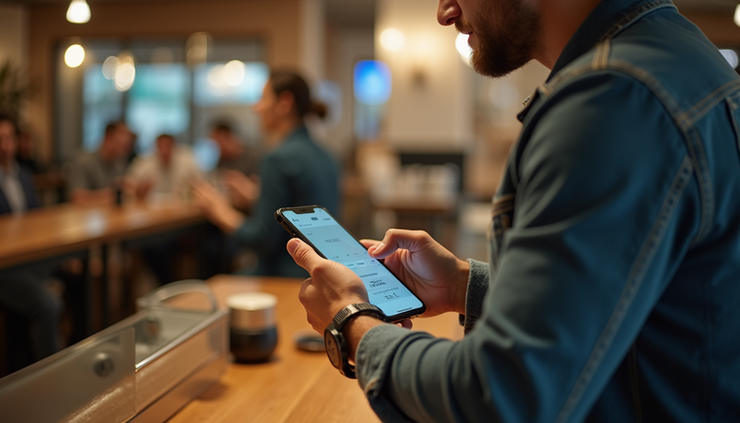
Use Location-Based Marketing to Deliver Relevant Offers
Location-based marketing uses GPS or IP data to send offers or information relevant to a user’s current place. This strategy works well for on-the-go consumers who may be near a physical store or event.
Send push notifications with special discounts when users enter a store’s vicinity.
Use geofencing to trigger ads or messages based on specific locations.
Combine location data with time-sensitive offers to create urgency.
For example, a coffee shop could send a morning discount alert to users nearby, encouraging them to stop by on their way to work.
Focus on User Experience and Accessibility
Mobile marketing success depends on how easy and pleasant it is for users to interact with your brand on their devices.
Design interfaces that are intuitive and simple.
Use readable fonts and buttons sized for fingers.
Ensure your site and apps work well on different devices and screen sizes.
Consider accessibility features for users with disabilities.
A well-designed mobile experience builds trust and encourages repeat visits.
Track and Analyze Mobile User Data
Data helps refine mobile marketing strategies. Track metrics like click-through rates, time spent on pages, and conversion rates to understand what works.
Use analytics tools to monitor user behavior on mobile platforms.
Test different messages, formats, and timing to find the best approach.
Adjust campaigns based on insights to improve engagement and sales.
For instance, if push notifications sent in the evening perform better, schedule future messages accordingly.
Reaching consumers on the move requires marketing that fits their lifestyle and device habits. By understanding mobile behavior, using location data, optimizing content, and simplifying transactions, brands can connect with users effectively. Thoughtful use of messaging and a focus on user experience build lasting relationships with on-the-go audiences.


Comments